How AI is Revolutionizing Landing Page Conversion Rates
What if your website could automatically adapt its design, messaging, and layout to each individual visitor in real-time? This isn't science fiction anymore—it's the reality of AI-powered landing page optimization, a technology that's quietly transforming how businesses convert visitors into customers.

The Evolution of Intelligent Web Experiences
Traditional landing page optimization has long relied on static A/B tests and one-size-fits-all approaches. Marketers would create different versions of a page, split traffic between them, and wait weeks or months for statistically significant results. This method, while useful, has significant limitations in today's fast-paced digital landscape.
Artificial intelligence is fundamentally changing this approach by introducing dynamic, real-time personalization capabilities. Modern AI systems can analyze visitor behavior patterns, demographic data, and contextual signals to instantly customize page elements for maximum impact.
The technology leverages several key components:
- Machine learning algorithms that continuously learn from user interactions
- Real-time data processing systems that make instant optimization decisions
- Behavioral analytics that identify patterns invisible to human analysts
- Predictive modeling that anticipates user preferences and intentions
Research from leading technology firms indicates that businesses implementing AI-driven personalization are seeing meaningful improvements in engagement metrics, though the specific results vary significantly based on industry, implementation quality, and existing baseline performance.
The Mechanics of AI-Driven Personalization
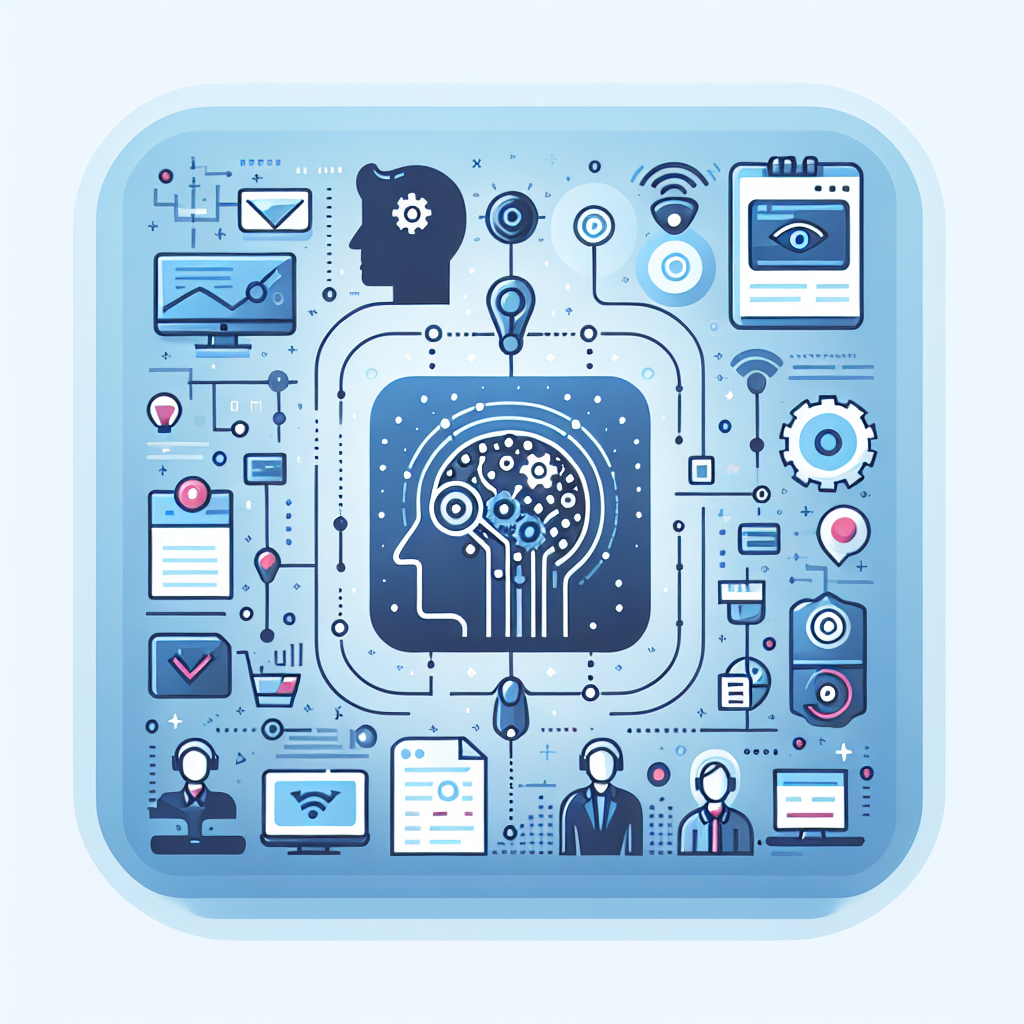
Understanding how AI-powered landing page optimization actually works requires examining the sophisticated technology stack behind these systems. At its core, the process involves multiple layers of data collection, analysis, and real-time decision-making.
Data Collection and Processing
AI systems gather information from numerous sources to build comprehensive user profiles. This includes browsing behavior, device characteristics, geographic location, referral sources, and interaction patterns. Advanced systems can process this data in milliseconds, creating actionable insights before the page fully loads.
Dynamic Content Adaptation
Once user characteristics are identified, AI algorithms determine which page elements to modify. This might involve:
- Adjusting headline messaging based on the visitor's industry or role
- Changing color schemes and imagery to match cultural preferences
- Repositioning call-to-action buttons based on device type and user behavior patterns
- Customizing form fields to reduce friction for specific user segments
Real-Time Decision Making
The most impressive aspect of modern AI optimization is its ability to make complex decisions instantly. Machine learning models evaluate thousands of variables simultaneously, weighing factors like time of day, seasonal trends, competitive landscape, and individual user preferences to determine the optimal page configuration.
Continuous Learning and Improvement
Unlike traditional optimization methods, AI systems never stop learning. Every interaction provides new data points that refine future decisions. This creates a compounding effect where optimization accuracy improves over time, leading to better performance as the system matures.
Real-World Applications and Their Limitations
The practical implementation of AI-powered landing page optimization varies significantly across industries and company sizes. While the technology shows promise, real-world deployments reveal both impressive capabilities and notable constraints.
E-commerce Success Stories
Online retailers have been among the early adopters of AI landing page optimization. Large e-commerce platforms report using machine learning to dynamically adjust product recommendations, pricing displays, and promotional messaging based on individual shopper profiles.
For example, a visitor arriving from a mobile device during lunch hours might see different product arrangements and simplified checkout options compared to someone browsing on a desktop computer in the evening. The system might also adjust inventory visibility based on shipping location and delivery preferences.
B2B Implementation Challenges
Business-to-business companies face unique challenges when implementing AI optimization. B2B buying cycles are longer and involve multiple decision-makers, making it difficult for AI systems to attribute conversions to specific page modifications.
Additionally, B2B audiences are often smaller and more specialized than consumer markets, which can limit the amount of data available for machine learning algorithms to analyze. This can result in less reliable optimization recommendations.
Industry-Specific Considerations
Different sectors experience varying degrees of success with AI-powered optimization:
- Financial services must balance personalization with strict regulatory compliance requirements
- Healthcare organizations face additional privacy constraints that limit data collection capabilities
- Technology companies often have more technical resources for implementation but may struggle with diverse, global audiences
- Local businesses might lack the traffic volume necessary for AI systems to generate meaningful insights
Performance Reality Check
While AI optimization can deliver impressive results, experts caution against expecting miraculous improvements. Studies suggest that meaningful conversion rate improvements vary widely, depending on the quality of implementation and baseline performance metrics.
The technology works best when combined with human expertise rather than replacing it entirely. Successful implementations usually involve marketing teams working alongside AI systems to interpret results and make strategic decisions.
Practical Implementation Considerations
Organizations considering AI-powered landing page optimization must navigate several technical, financial, and strategic considerations before deployment.
Technical Requirements and Infrastructure
Implementing AI optimization requires robust technical infrastructure. Companies need reliable data collection systems, real-time processing capabilities, and integration with existing marketing technology stacks. This often involves:
- Data management platforms capable of handling large volumes of real-time information
- API integrations with existing CRM, analytics, and marketing automation tools
- Content management systems flexible enough to support dynamic page modifications
- Performance monitoring tools to track system reliability and optimization effectiveness
Cost-Benefit Analysis
The financial investment in AI optimization technology varies dramatically based on company size and requirements. Enterprise-level solutions can require significant upfront investments in software licensing, implementation services, and ongoing maintenance.
Smaller businesses might find more accessible entry points through software-as-a-service platforms, though these solutions often provide limited customization options compared to enterprise implementations.
Human Resources and Expertise
Successful AI optimization requires team members who understand both marketing strategy and technical implementation. Organizations often need to invest in training existing staff or hiring specialists who can bridge the gap between technology and marketing objectives.
Privacy and Compliance Considerations
With increasing regulatory scrutiny around data privacy, businesses must ensure their AI optimization practices comply with relevant regulations like GDPR, CCPA, and industry-specific requirements.
This includes implementing proper consent mechanisms, providing transparency about data usage, and maintaining secure data handling practices. Some organizations find that privacy compliance requirements limit their ability to collect the detailed user data that AI systems require for optimal performance.
Measuring Success and ROI
Determining the effectiveness of AI optimization can be complex. Traditional metrics like conversion rates remain important, but businesses also need to consider factors like user experience quality, long-term customer value, and the impact on brand perception.
Setting realistic expectations and establishing clear success metrics before implementation helps ensure that AI optimization projects deliver measurable business value rather than just technological novelty.
The Future Landscape and Ethical Implications
As AI-powered landing page optimization becomes more sophisticated, the industry faces important questions about ethics, transparency, and the balance between personalization and privacy.
Algorithmic Transparency
Users and regulators are increasingly demanding transparency about how AI systems make decisions that affect their online experiences. This creates challenges for businesses using complex machine learning algorithms that can be difficult to explain in simple terms.
Bias Prevention and Fairness
AI systems can inadvertently perpetuate or amplify biases present in their training data. Landing page optimization algorithms might inadvertently discriminate against certain user groups or make assumptions based on incomplete or biased information.
Responsible implementation requires ongoing monitoring and adjustment to ensure fair treatment across diverse user populations.
Long-term Industry Evolution
The technology continues evolving rapidly, with emerging capabilities in areas like natural language processing, computer vision, and predictive analytics. Future developments may enable even more sophisticated personalization while potentially raising new ethical and practical considerations.
Conclusion
AI-powered landing page optimization represents a significant evolution in how businesses approach conversion rate improvement. The technology offers compelling capabilities for real-time personalization and automated optimization, yet successful implementation requires careful planning, realistic expectations, and ongoing human oversight.
The most effective deployments combine artificial intelligence with human expertise, using technology to enhance rather than replace strategic marketing thinking. As the field continues evolving, businesses that approach AI optimization thoughtfully—considering both opportunities and limitations—will be better positioned to navigate these emerging capabilities.
Success in this arena requires viewing AI not as a magic solution, but as a sophisticated tool that demands skilled implementation, ethical consideration, and continuous refinement to deliver meaningful business results.